
Drought and fire-resistant gardening: advice from some of QLDC's greenest fingers
Share this page
-

-
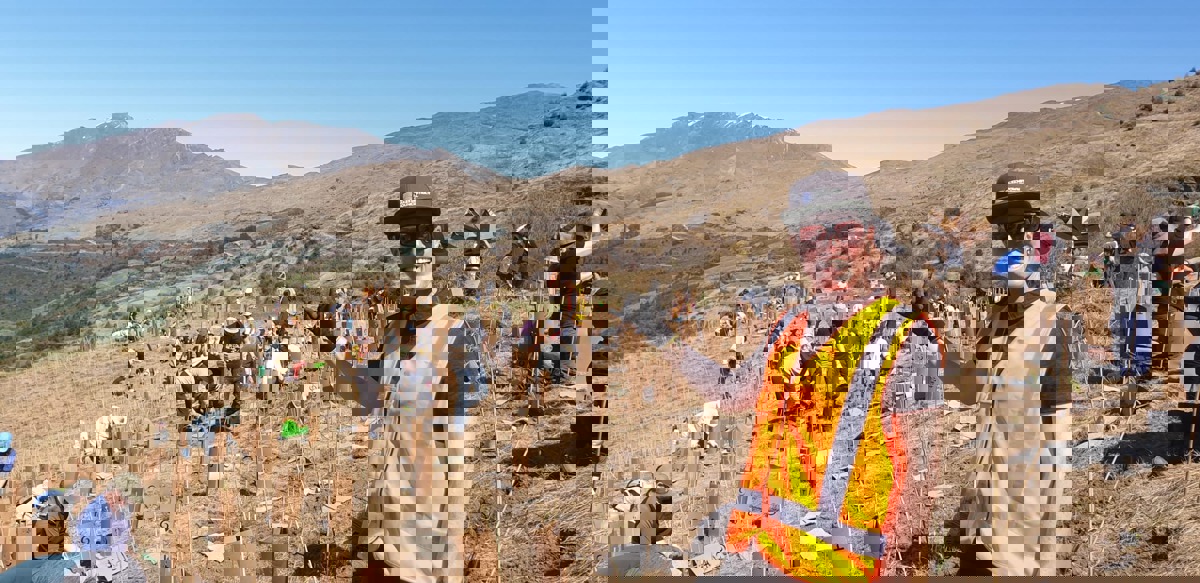
When it comes to native gardening wisdom, few people in our district have more experience than Yvette Ridley, Parks Officer and Volunteer Co-Ordinator at QLDC. She has planted countless seedlings across the district, helping to shape greener, more resilient public spaces. This summer, Yvette shares her advice on how we can make our own gardens more drought -resistant while still keeping them vibrant and full of life.
-
Over the years I’ve had the privilege of planting thousands of seedlings across our district, and one thing I’ve learned is that the way we garden at home matters just as much as the big community projects. With hotter, drier summers becoming the norm, it’s vital we think about how our gardens can thrive without relying on constant watering. Choosing drought resistant species, caring for our soil, and encouraging biodiversity not only makes our gardens more resilient, but also helps conserve water for everyone.
Understanding our local conditions
The Queenstown Lakes District is a challenging place to garden. Our soils are typically tough, rocky, and fast‑draining, and our climate swings between hot, dry summers and cold winters with frost and snow. Plants need to be able to cope with extremes. That’s why the best performers in our gardens are often natives endemic to this region. These species have evolved to handle low rainfall, temperature extremes, and poor soils. Many have deep root systems, small or waxy leaves, or slow growth habits that help them conserve water; perfect for drought‑resilient gardening.
-
Plant choices that thrive in dry conditions
Instead of traditional exotics, consider these hardy, climate‑adapted natives that offer structure, beauty, and habitat value.
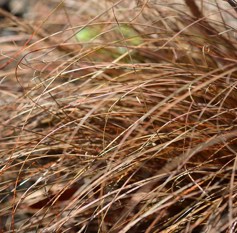
Grasses & Flaxes
- Phormium tenax – great for wet or riparian areas; excellent nectar for birds
- Phormium cookianum (mountain flax) smaller and droopy, great for rocky slopes, subalpine areas, more resilient to drought
- Silver tussock (Poa cita)
- Snow tussock (Chionochloa rigida)
- Toetoe (Austroderia richardii)
Trees
- Marbleleaf (Carpodetus serratus) – fire‑retardant
- Mountain tōtara
- Cabbage tree / tī kōuka (Cordyline australis)
- Native fuchsia (Fuchsia excorticata) – great for birds (not ideal for Wānaka)
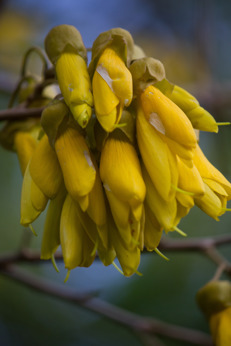
- South Island kōwhai (Sophora microphylla) – excellent bird food
- Mountain beech (Fuscospora cliffortioides)
- Wineberry (Aristotelia serrata) – great for birds choose Aristotelia fruticosa for drier areas in Upper Clutha
- Ribbonwood plagianthus - fast growing, excellent pollinator
- Olearia species (lineata, hectorii, fragrantissima) can be used as small trees within a garden
Shrubs
- Coprosma species (propinqua, rugosa, dumosa, rotundifolia, lucida, crassifolia) – hardy and great for lizards
- Corokia cotoneaster
- Olearia species (odorata, fimbriata, lineata, hectorii, fragrantissima) – support native moths and butterflies
- Porcupine shrub (Melicytus alpinus) – excellent lizard habitat
- Broadleaf (Griselinia littoralis) – fire‑retardant
- Pittosporum tenuifolium
- Myrisine divericata
- Matagouri - excellent pollen generator and lizard habitat
- Mountain five-finger Pseudopanax colensoi – fire‑retardant
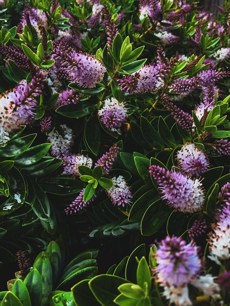
- Hebe species (H. odora, H. salicifolia)
- Brachyglottis greyi, monroi, compacta - great pollinator and coverage
- Sophora postrata - Lowland shrubby kōwhai
These species are not only drought‑tolerant, many are also fire‑resistant, making them excellent choices for creating defensible green spaces around homes. Keep tussocks to a minimum in areas at a fire risk areas.
Planting with the seasons
In our district, timing matters. The best times to plant are late autumn and early spring, when soil moisture is higher and temperatures are milder. This gives plants time to establish strong roots before facing the “big dry” of summer.
Whenever possible, choose eco‑sourced natives grown locally from local seed. These plants are already adapted to our climate and soils, making them more resilient and more likely to thrive.
Match your plants to your microclimate
Take note of the specific environment you’re planting in:
Dry, rocky, exposed areas:
Grey shrubland species like coprosmas, matagouri & hebes
Lake or riverside areas:
Broadleaf species that tolerate moderated temperatures
Riparian or wetland areas:
Flaxes, toetoe, or Carex secta
Check out Whakatipu Reforestation Trust's (WRT) Native Planting Guide for more detailed information.
-
Smarter watering
Watering well is much better than watering often
Water deeply (drenching) and infrequently (1–2 times weekly) to encourage deep roots (in Wānaka you don't want to water more than once a week)
Water early morning or evening to reduce evaporation
Focus water at the root zone using drip lines or soaker hoses
Water more during the first 1–2 seasons, then reduce as plants mature (after 3-5 years no watering should take place at all)
Collect rainwater where possible
Deep‑rooted plants are drought-resilient plants.Learn more about how to keep your garden happy during warmer months by reading our garden water conservation guide below.

-
Where to learn more or get involved
- Whakatipu Reforestation Trust – volunteer at Jean Malpas Nursery or join planting days
- Te Kākano Aotearoa Trust (Wānaka) – volunteer or learn more.
Local eco‑sourced nurseries:
- Queenstown Nursery
- Matukituki Natives (Upper Clutha eco-sourced)
- Springburn Nursery
- Home Creek Nursery
- Pukerau Nursery (Upper Clutha eco-sourced)
Great places to see mature local natives in action (so you can see what seedlings will look like in a few years) include Whitechapel Reserve, Peace Park, and the WRT Reference Garden at Jardine Park. In Wānaka head to the Glendhu Bay Track between Wānaka Station Park and Waterfall Creek.
By choosing the right plants, caring for our soil, and designing with our climate in mind, we can create beautiful, resilient gardens that support wildlife, conserve water, and help our district adapt to a changing climate.