Outcome Five: Built Hanga
Our built environment is low emission and resilient | He tukuwaro-iti ō mātou whare, he manawaroa hoki
-
Quick LinksQuick Links
-

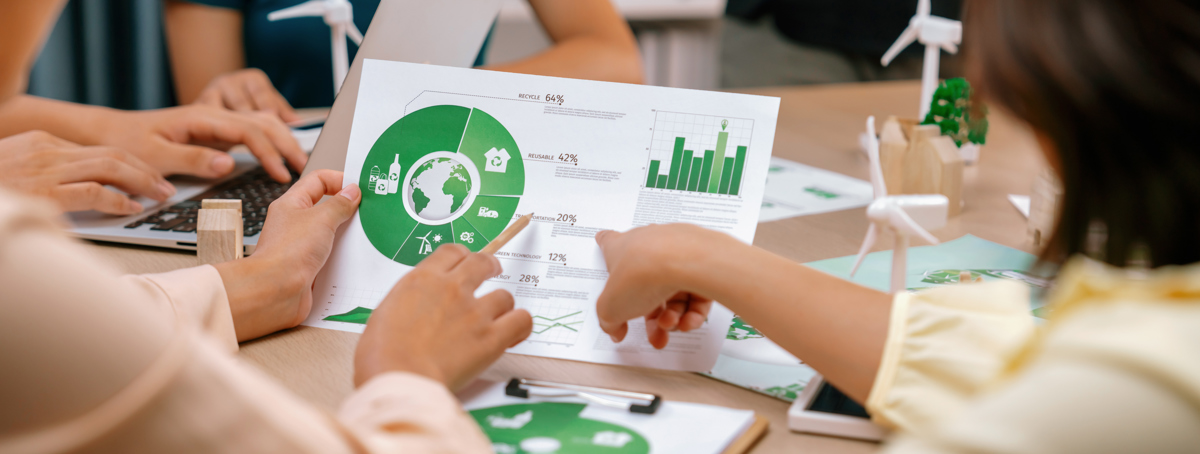 5.1Sustainable project management
Embed sustainable project management practices aligned with international best practice throughout the lifecycle of capital projects to reduce environmental impacts and enhance long-term sustainability.
 5.2Best practice carbon management
Embed best practice carbon management standards, such as PAS 2080:2023, into all stages of infrastructure planning and delivery to track, reduce, and manage whole-of-life carbon in major capital works projects.
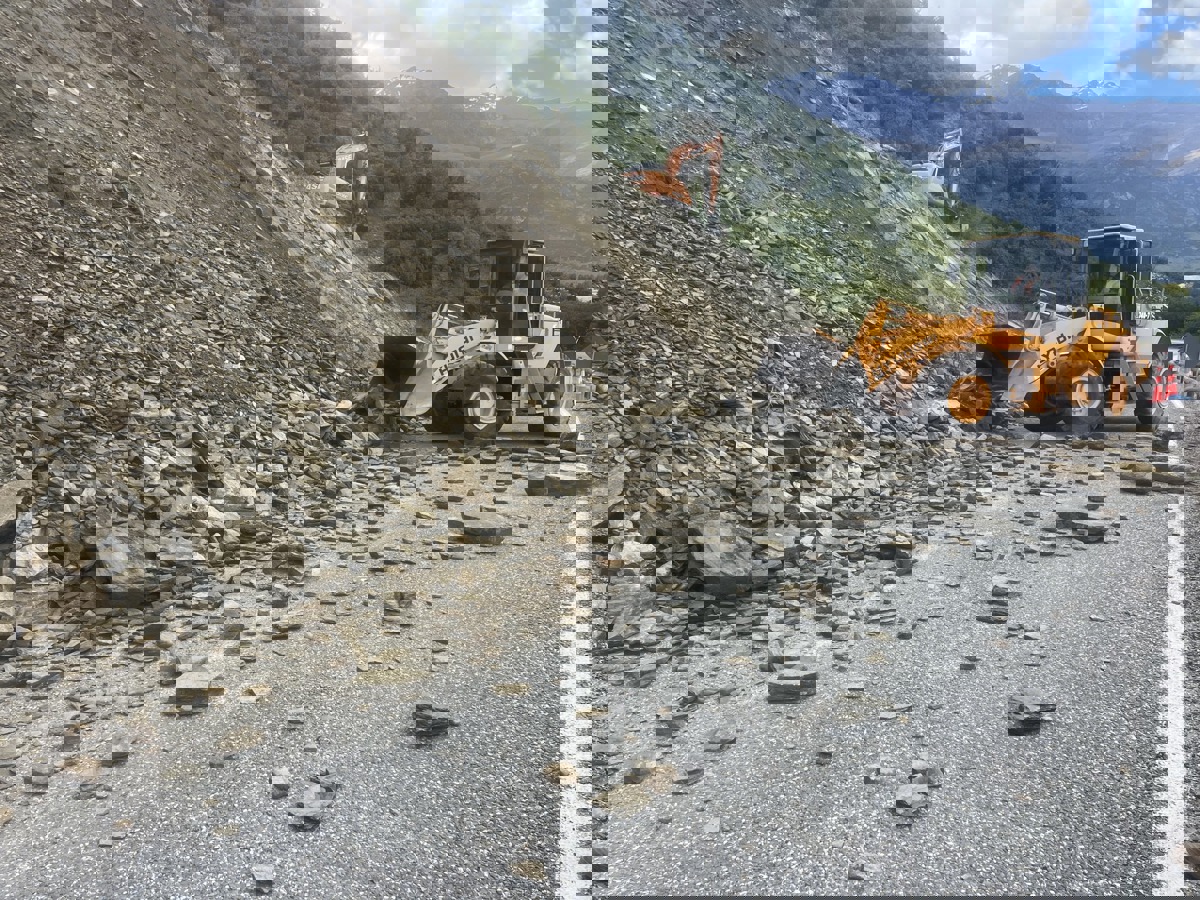 5.3Designing for climate resilience
Embed climate resilience into infrastructure strategic planning and engineering codes of practice to future proof for a changing climate.
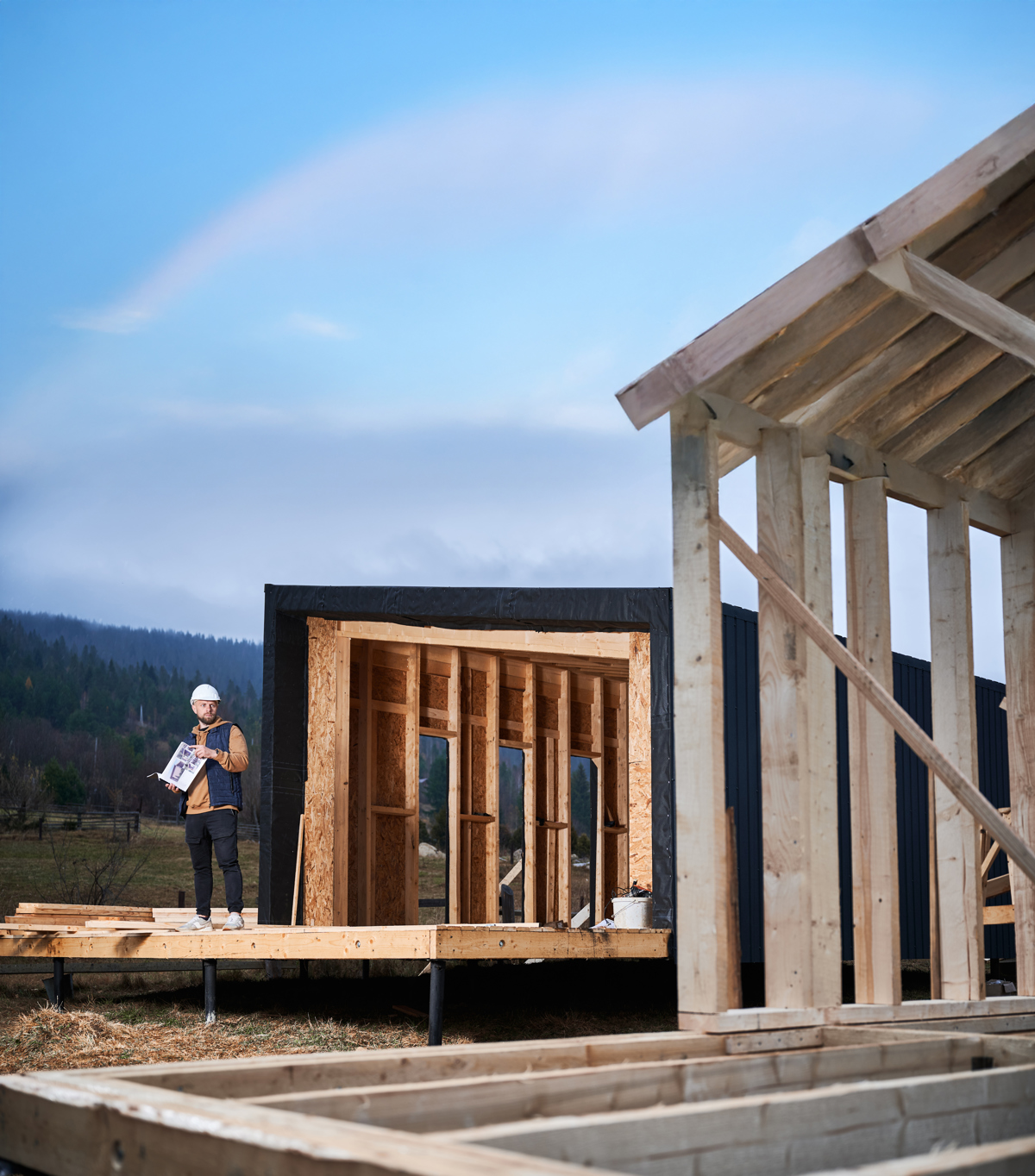 5.4Promoting a better building standard
Partner with the Better Building Working Group to implement a comprehensive education and outreach programme that empowers the community and building industry to adopt climate smart, resilient, and healthy construction practices.
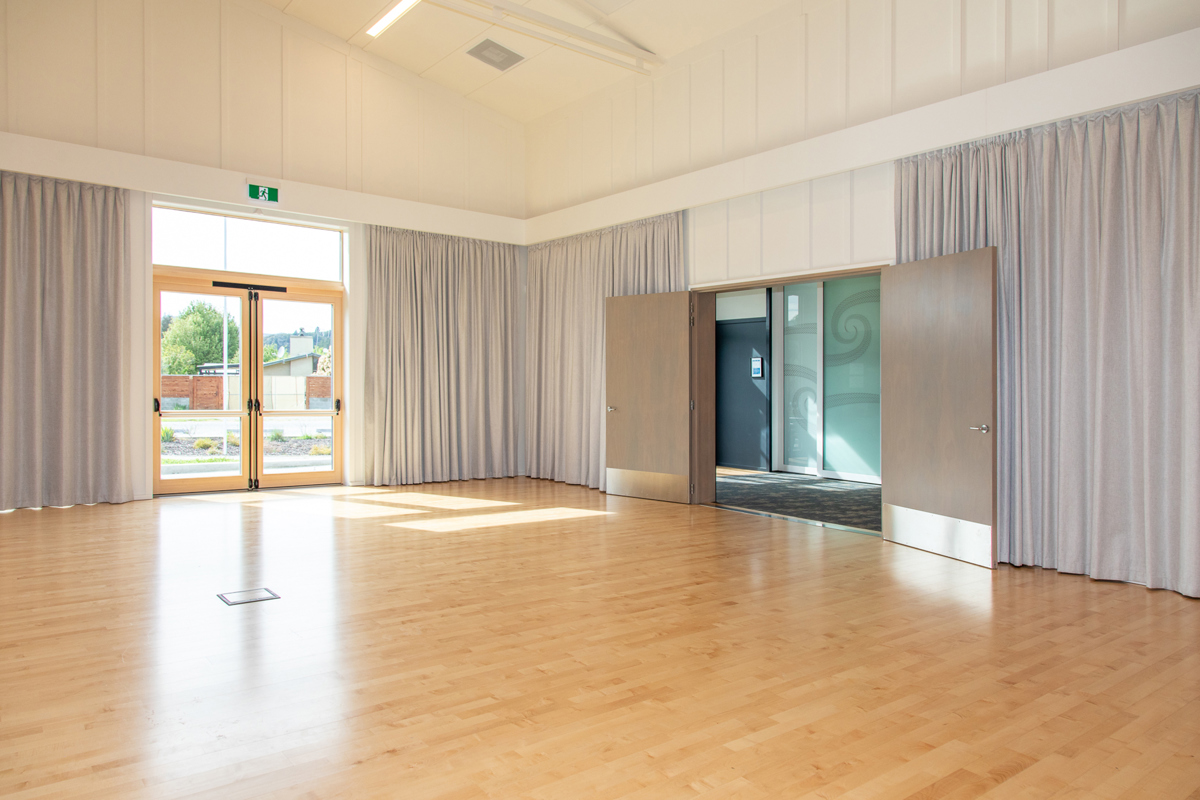 5.5Sustainable Council buildings
Implement eco-design principles, low-impact construction methods, and renewable energy integration in Council-led building projects to minimise environmental impact, enhance resilience, improve long-term efficiency, and reduce operation costs.
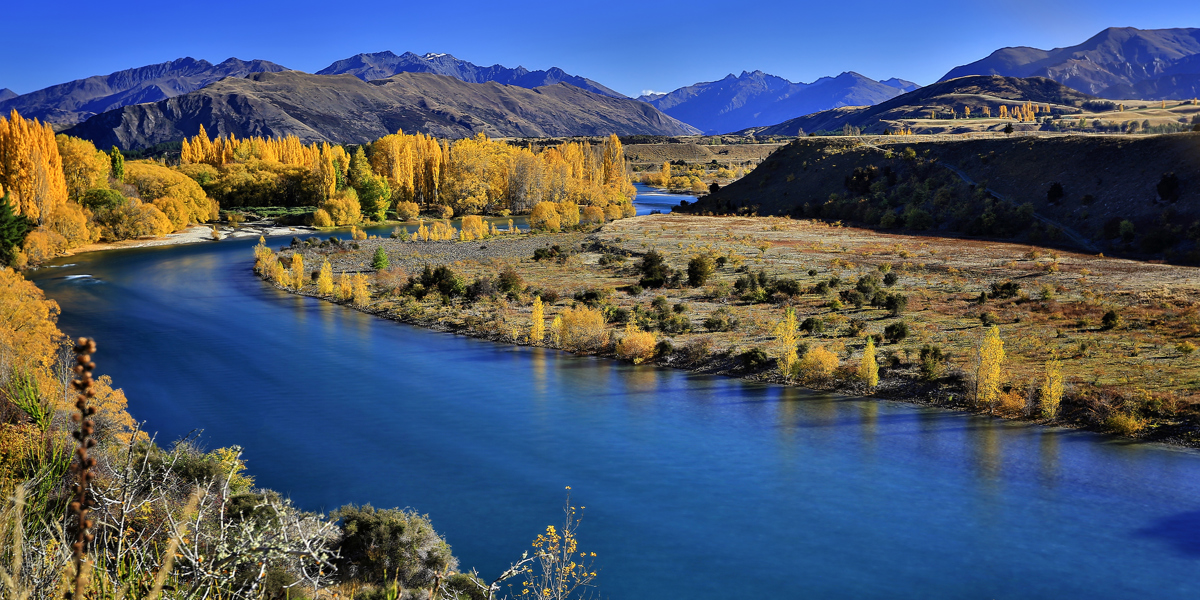 5.6Promoting responsible water usage
Implement the Water Demand Management Plan to encourage responsible and efficient water use, helping safeguard our pristine sources for future generations.
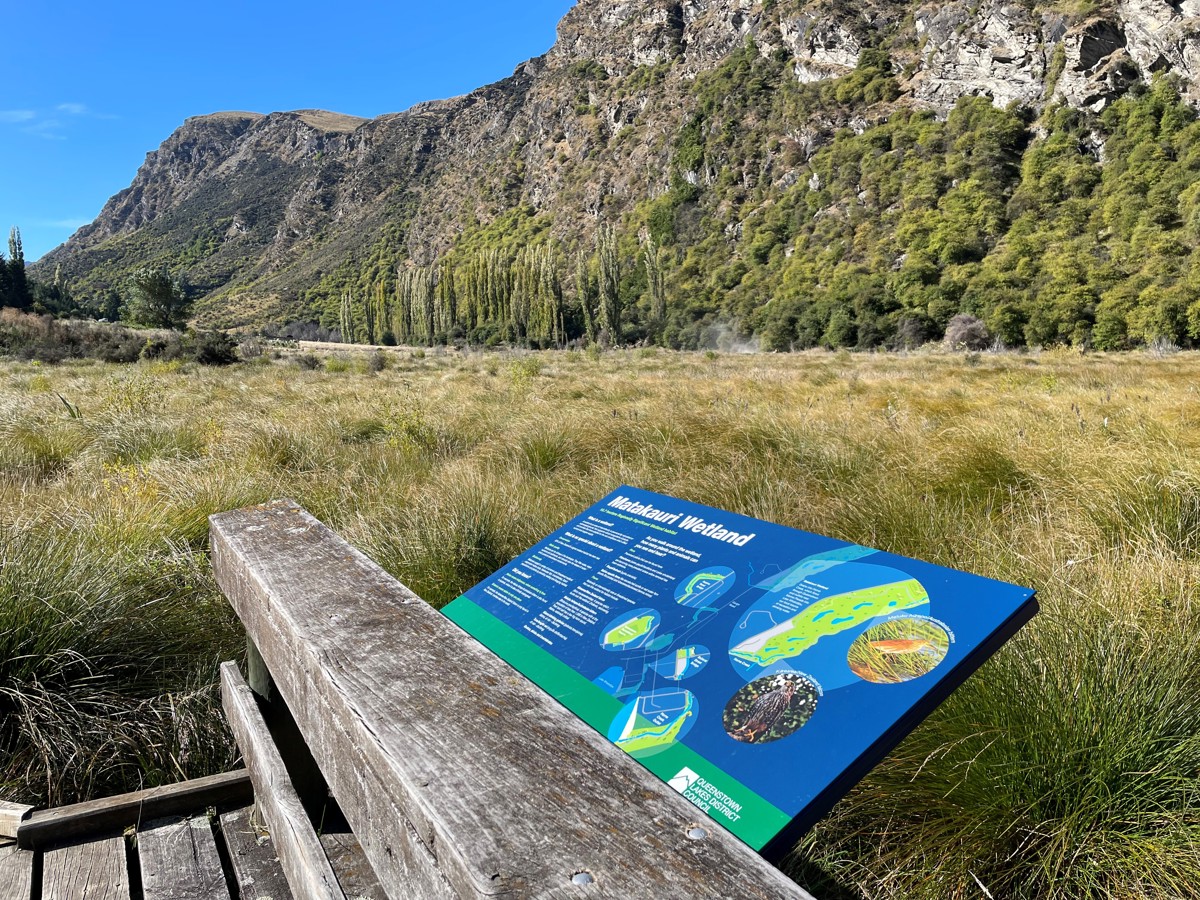 5.7Strengthening stormwater resilience
Develop and implement integrated stormwater catchment management plans across the district to ensure a science-based, nature-positive approach to stormwater management.
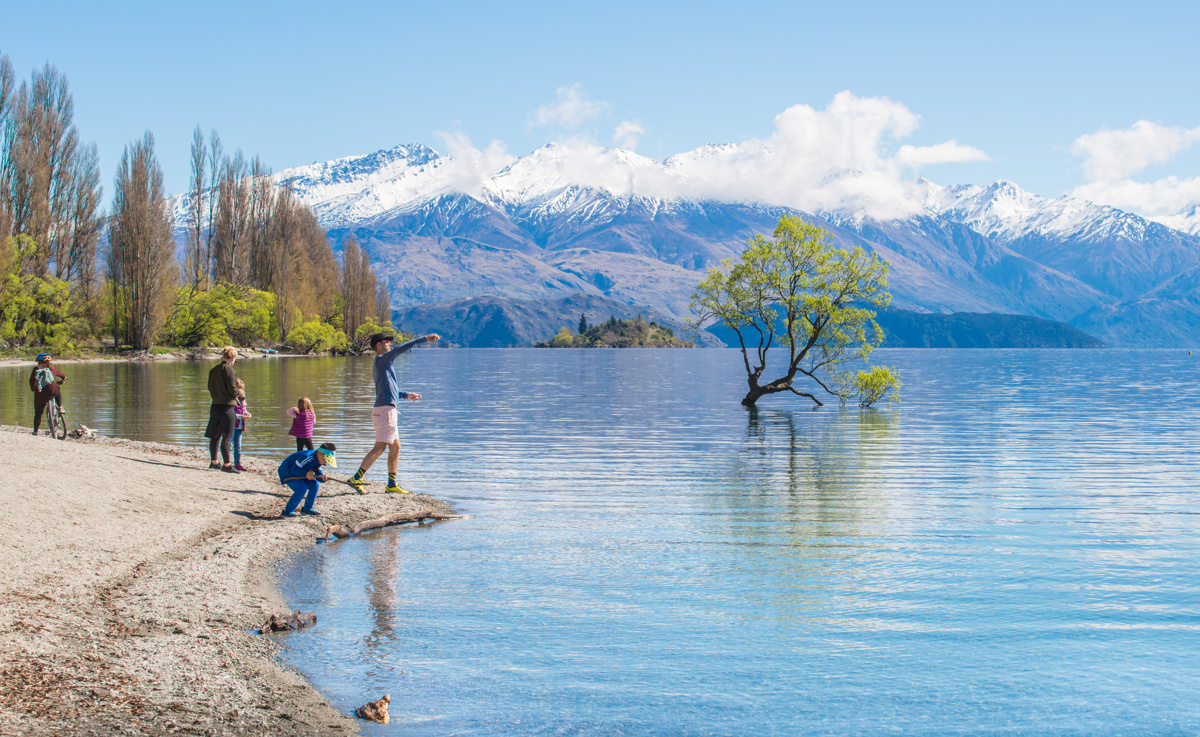 5.8Supporting community-led water initiatives
Collaborate with Kāi Tahu, WAI Wānaka, Mana Tāhuna, Friends of Lake Hayes, ORC and others to accelerate catchment -scale planning and community-led initiatives that enhance freshwater health, biodiversity, and climate resilience.
-
More Outcomes
-

1. Leadership
QLDC demonstrates ambitious climate leadership
-
2. Transport
Our transport system is low-emission and better connected
-
4. Communities
Our communities are low-emission and climate resilient
-

5. Business
Low-emission businesses thrive
-
6. Environment
A flourishing natural environment
-